

 Facebook
 X
X
 Pinterest
 Copy Link
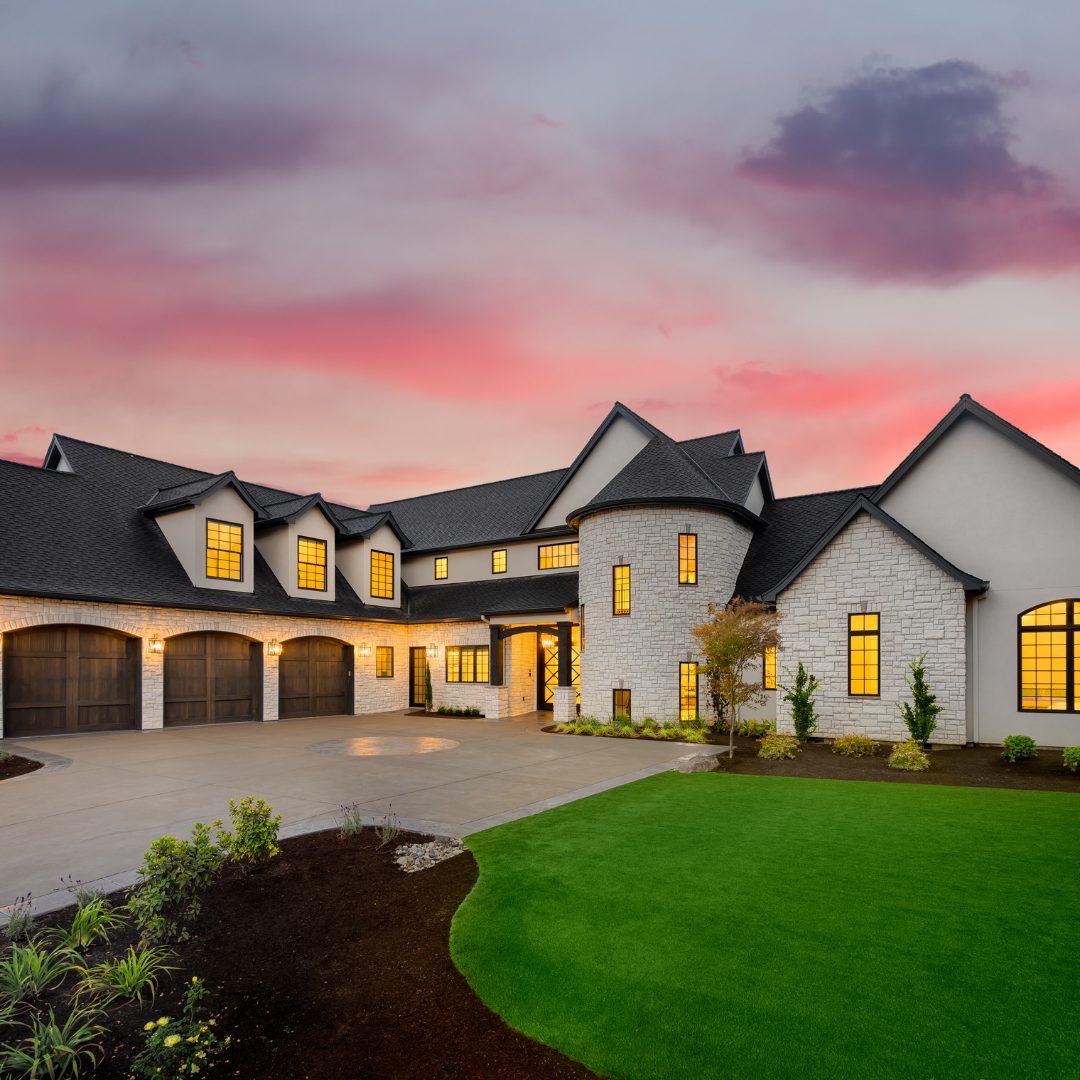
If you’re thinking about selling a beautiful home in Northwest Indiana, here’s something worth knowing before you call a photographer, choose a list price, or put a “For Sale” sign in the yard:
Luxury buyers don’t simply buy square footage. They buy an experience.
They notice the way a home feels when they walk through the front door. They notice the lighting, the finishes, the landscaping, the flow from one room to another, and whether the home feels thoughtfully designed or simply expensive.
And in today’s market, that distinction matters.
Northwest Indiana remains a strong market, but buyers have become more selective. In Q2 2026, the region’s median sale price increased 10% year over year while inventory also increased 5%. In Crown Point, the median sale price reached $380,000, while sales of homes above $500,000 increased significantly compared with the previous year. (Market Updates)
That creates an interesting opportunity for homeowners considering a higher-end sale:
You don’t necessarily need to spend more. You need to spend smarter.
Here are 10 ways to elevate your home before it hits the market.
1. Stop Thinking “Renovation” and Start Thinking “Presentation”
One of the biggest mistakes sellers make is assuming they need to remodel everything before selling.
You probably don’t.
A $75,000 kitchen renovation doesn’t automatically translate into $75,000 more in sale proceeds. In many cases, the better strategy is identifying the handful of things that make the home feel dated, unfinished, or inconsistent—and addressing those first.
Think:
● Outdated light fixtures
● Worn flooring
● Dated paint colors
● Overly personalized décor
● Tired landscaping
● Cabinet hardware
● Old window treatments
● Visible clutter
● Deferred maintenance
Luxury is often communicated through consistency and restraint, not simply through expensive materials.
2. Make Your Home Feel Like a Boutique Hotel
Today’s buyers are increasingly drawn to homes that feel comfortable, intentional, and elevated.
Think about the feeling you get when you walk into a beautiful hotel.
Nothing is necessarily screaming for your attention.
Instead, everything works together.
That’s the goal.
Layered lighting, quality textiles, natural materials, uncluttered spaces, beautiful hardware, and carefully selected artwork can make an enormous difference.
Current design conversations are also moving toward natural materials, architectural character, indoor-outdoor connections, functional layouts, and high-end bathrooms. (Real Simple)
The takeaway?
Don’t decorate your house for the market. Curate it for the buyer you want to attract.
3. Lighting Is One of the Most Underrated Luxury Upgrades
If I could encourage one category of improvement that sellers frequently overlook, it would be lighting.
A gorgeous home can photograph poorly and feel underwhelming in person when the lighting is flat, harsh, or inconsistent.
Consider:
● Oversized statement fixtures in the right locations
● Warm, appropriately scaled lighting
● Under-cabinet kitchen lighting
● Accent lighting
● Landscape lighting
● Bathroom sconces
● Dimmers
● Multiple sources of light in larger rooms
And don’t forget natural light.
Clean your windows.
Open the curtains.
Trim landscaping that blocks important windows.
A buyer should walk into your home and immediately notice the architecture—not the darkness.
4. Your Kitchen Doesn’t Have to Be Brand New
Kitchens remain one of the most emotionally important spaces in a home.
But “updated” doesn’t necessarily mean “completely remodeled.”
Sometimes the transformation is surprisingly simple.
New hardware, fresh paint, updated lighting, a beautiful faucet, professionally styled countertops, and removing unnecessary appliances can dramatically change the way a kitchen photographs and shows.
For a higher-end home, I’d rather see a seller make five exceptionally good decisions than ten mediocre ones.
And if your kitchen truly does need a renovation, that’s where a pre-listing conversation becomes extremely valuable.
Before spending $50,000, $75,000, or $100,000, determine what the market is actually likely to reward.
5. Your Primary Suite Should Sell the Dream
Buyers aren’t just buying a bedroom.
They’re buying the idea of coming home after a long day and closing the door behind them.
The primary suite should feel like a retreat.
That might mean:
● Beautiful bedding
● Minimal furniture
● Quality window treatments
● Soft lighting
● A comfortable seating area
● A clutter-free nightstand
● A clean, spa-like bathroom
● Fresh towels
● Thoughtful accessories
The same principle applies to the bathroom.
Today’s buyers increasingly value wellness-oriented bathrooms and high-quality natural materials. (Real Simple)
If you have a beautiful soaking tub, oversized shower, heated floors, custom cabinetry, or exceptional tile work, don’t hide those features beneath clutter.
Let them be the star.
6. Don’t Forget the Backyard
One of the biggest opportunities in Northwest Indiana is the indoor-outdoor lifestyle.
A beautiful patio.
A pool.
A screened porch.
An outdoor kitchen.
A fire pit.
A professionally landscaped yard.
A mature tree canopy.
These aren’t just exterior features—they’re lifestyle features.
Your listing photography should help a buyer imagine Saturday night dinner outside, morning coffee on the patio, or a summer gathering with friends.
Current buyer preferences continue to emphasize stronger connections between interior and exterior spaces. (Real Simple)
So don’t treat the backyard as an afterthought.
Stage it like another room.
7. Remove More Than You Add
This might be the most important staging advice of all.
Before you buy anything new, take things away.
Remove excess furniture.
Clear kitchen countertops.
Edit bookshelves.
Put away personal collections.
Reduce the number of decorative accessories.
Organize closets.
Remove anything that makes a room feel smaller.
Professional stagers routinely recommend removing clutter, oversized furniture, strong personal elements, and distracting décor so buyers can focus on the home itself. (House Beautiful)
The goal isn’t to make your home look empty.
It’s to make it look spacious, intentional, and easy to imagine living in.
8. Don’t Let Your List Price Become an Ego Number
This is especially important in the luxury market.
Your neighbor’s house sold for $800,000.
You renovated your kitchen.
Your home has a bigger lot.
You paid $900,000 for it three years ago.
None of those facts automatically determine today’s market value.
Pricing is a strategy.
And the higher you move up the price ladder, the more important it becomes to understand your actual competition.
Indiana Realtors’ 2026 mid-year data shows that luxury listings are experiencing more price reductions than the middle of the market, while price-reduced homes generally take longer to go under contract. (Indiana Realtors Data)
In other words:
Luxury buyers are still buying—but they’re paying attention to value.
The right price can create momentum.
The wrong price can cause your beautiful home to become “that listing that’s been sitting there forever.”
9. Your First Impression Happens Online
Today’s first showing often happens before the buyer ever walks through your front door.
It happens on a phone.
That means your photography, video, floor plan, property description, and online presentation are not optional extras.
They’re your first showing.
For a high-end property, I believe the marketing should feel worthy of the home.
That means showcasing:
● Architectural details
● High-end finishes
● Outdoor living
● Views
● Entertaining spaces
● Primary suite
● Kitchen
● Unique features
● Neighborhood and location advantages
A luxury property deserves more than a handful of quick photos and a generic description.
The marketing should tell a story.
10. Start Preparing Before You’re Ready to Sell
This may be the best advice I can give any homeowner thinking about making a move.
Don’t wait until you’re ready to put the house on the market.
Start six months ahead.
Maybe it’s a year.
Have a conversation with a real estate professional about what buyers in your price range are actually responding to.
Walk through the property together.
Identify what should be changed, what should be repaired, what should be left alone, and where your money will have the greatest impact.
Sometimes the answer will be:
“Let’s renovate this.”
Sometimes it will be:
“Don’t spend a dollar on that.”
Knowing the difference is where experience matters.
And What About Buyers?
Here’s the interesting part of all of this.
The same features that help a seller attract buyers can help buyers make better purchasing decisions.
If you’re shopping for a higher-end home in Crown Point, St. John, Munster, Dyer, Schererville, Valparaiso, Chesterton, or another Northwest Indiana community, don’t get distracted by the prettiest kitchen alone.
Look deeper.
Ask:
What am I actually paying for?
Is it the location?
The lot?
The architecture?
The quality of construction?
The floor plan?
The outdoor living?
The neighborhood?
The updates?
Or simply beautiful staging?
A smart buyer learns to separate cosmetic beauty from lasting value.
And in a market where buyers have more choices than they did during the most competitive years, being prepared can give you an advantage. Northwest Indiana inventory has increased, but desirable homes can still command attention when they’re priced and presented correctly. (Market Updates)
The Bottom Line
Whether you’re selling a $450,000 home or a $1.5 million property, the goal isn’t to make your home appeal to everyone.
It’s to make the right buyer fall in love with it.
For sellers, that means thoughtful preparation, strategic pricing, and exceptional marketing.
For buyers, it means understanding what creates real value—and being ready to act when the right property appears.
And that’s exactly why I believe real estate advice should go beyond “What’s my house worth?”
The better questions are:
How do I make my home worth more to the market?
How do I position it so the right buyer notices?
And if I’m buying, how do I recognize a home that’s actually worth the premium?
If you’re considering selling a home in Northwest Indiana—or you’re wondering what your next move could look like—I’d be happy to help you develop a strategy before you’re under any pressure to list or buy.
The best real estate decisions usually start long before the sign goes in the yard.
Unit next time,
Here’s to making your next move your best move.
~Lynn Calhoun, your local + trusted agent 😉


